

In 2025, the global lithium-ion battery market continued to show strong growth. According to authoritative sources, global lithium-ion battery demand increased by approximately 29% year-on-year, with total shipments reaching around 1.59 TWh. This growth is driven not only by the expansion of the electric vehicle (EV) market but also by rising demand in energy storage systems and industrial applications.
The growth of power batteries remained robust from 2024 to 2025, while energy storage batteries showed even faster expansion, becoming the “second growth engine” of the lithium battery industry. Many analysts indicate that the shipment share of energy storage batteries is steadily increasing and will be an important driver of future market growth.
Key Points:
Global shipments moving toward TWh-scale
Both power batteries and energy storage batteries driving demand
Energy storage growth outpacing single power battery demand
2. Supply & Demand Dynamics and Raw Material Trends
Despite overall growth, the lithium battery supply chain faces market volatility and challenges. Recently, the prices of key raw materials such as lithium carbonate have risen sharply, reflecting a rebalancing of market supply and demand.
Some analysts predict that in 2026 the lithium material market may shift from a “supply surplus” to a more balanced or even tight supply situation. Potential shortages of lithium resources could further push up prices, creating pressure on battery manufacturing costs.
Key Points:
Raw material prices show short-term upward trends
Supply-demand balance affects industry profitability
Mid-to-long-term material shortages remain a concern
3. Technology Trends — Battery Types & Performance Evolution
Technological innovation remains the core driver of the lithium battery industry. Mainstream chemistries such as Lithium Iron Phosphate (LFP) and Nickel Cobalt Manganese (NCM) batteries continue to dominate different market segments:
Lithium Iron Phosphate (LFP): Favored for safety and lower cost, widely used in mid-to-low end EVs and energy storage systems.
NCM and High Energy Density Batteries: Retain advantages in high-end EVs pursuing longer driving range.
Meanwhile, emerging technologies such as solid-state batteries and lithium-sulfur batteries are accelerating R&D and industrialization, potentially becoming the next generation of battery technologies.
Key Points:
LFP and NCM batteries co-exist in the market
Emerging battery technologies are gradually maturing
Energy density and safety are improving simultaneously
4. Regional Market Structure & Global Competitive Landscape
China, as the core global hub for lithium battery production, maintains a significant market advantage. Chinese battery manufacturers continue to expand their share of global power battery installations.
Outside China, Chinese battery companies are also gaining important market shares, demonstrating the global competitiveness of Chinese lithium battery technology and production capacity. Meanwhile, South Korea, Japan, and European battery companies are strategically focusing on high energy density and high-end markets, enhancing cooperation with local automakers.
Key Points:
China leads both domestic and export markets
Global competition is becoming multi-polar
EV and energy storage demand drives regional layouts
5. Downstream Applications Expansion Continues
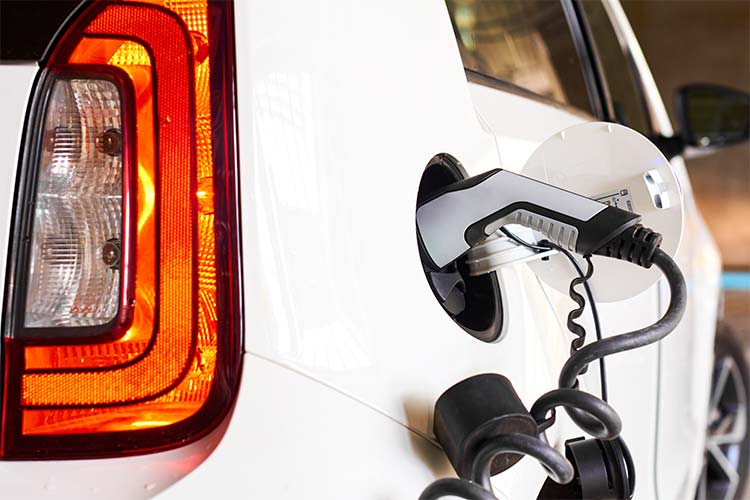
EVs remain the largest end-use segment for lithium batteries. As global EV penetration continues to rise, batteries are becoming increasingly critical to overall vehicle performance. In addition, energy storage systems, industrial equipment, and light electric vehicles are rapidly expanding their battery usage.
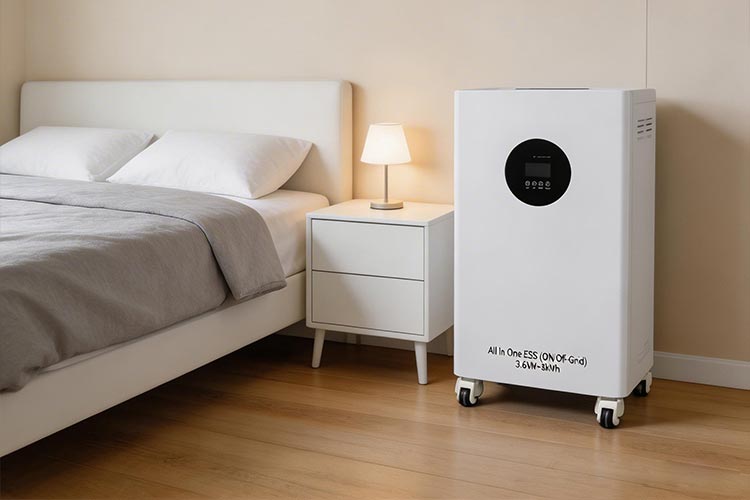
Especially in energy storage, global renewable energy projects are accelerating demand, making energy storage batteries the next major growth driver after EVs.
Key Points:
EVs and energy storage jointly drive demand growth
Battery applications continue to diversify
Increasing trend toward technology customization
6. Future Outlook — Demand Balancing & Sustainable Development
Looking ahead, the industry is entering a new phase — from rapid growth to high-quality growth. Supply-demand balance, technological innovation, global competition, and supply chain optimization will be the key factors shaping future development.
Sustainable development and circular economy principles are gaining consensus. Battery recycling and material reuse technologies will reduce resource pressure and environmental impact, ensuring long-term industry stability.
Key Points:
Industry shifting to high-quality growth
Innovation and supply chain optimization are equally important
Battery recycling and sustainability will be future focal points
Conclusion — Lithium Battery Industry Takeaways
✔ The global market continues to expand and approaches TWh scale.
✔ Raw material supply and price volatility remain key factors.
✔ Technological advancements driv