

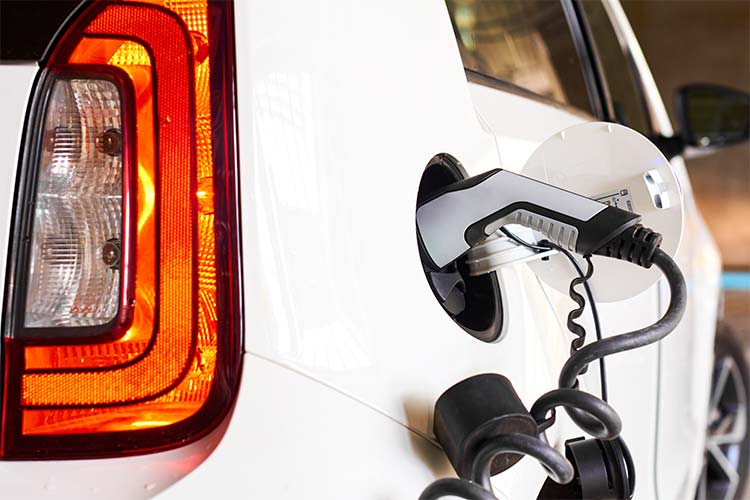


Electric vehicles (EVs) have become a cornerstone of global decarbonization efforts, driven by consumer demand, regulatory support, and improvements in battery technology. At the heart of every EV is the battery — a complex electrochemical system that determines range, safety, cost, and performance. In recent years, innovations in EV battery technology have accelerated rapidly, reshaping the automotive landscape and redefining what electric mobility can achieve. This article explores the latest developments, emerging trends, and future directions in EV battery technology.
- Evolution of Battery Chemistries
1.1 Lithium-Ion Batteries: The Dominant Force
Lithium-ion (Li-ion) batteries remain the dominant choice for EVs due to their strong balance of energy density, cycle life, and cost. Traditional cathode chemistries such as Lithium Iron Phosphate (LFP) and Nickel Cobalt Manganese (NCM) have continued to evolve:
LFP (Lithium Iron Phosphate):
LFP batteries are known for their high safety, long cycle life, and cost efficiency. These attributes have made LFP increasingly popular in mass-market EVs and energy storage systems, despite lower energy density compared to some alternatives.
NCM (Nickel Cobalt Manganese):
NCM batteries offer higher energy density, which translates to longer driving range — a critical factor for mainstream EV adoption. Ongoing enhancements in cathode formulations aim to reduce reliance on expensive and supply-constrained materials like cobalt.
1.2 Next-Generation Materials
Emerging materials and chemistries are moving beyond traditional lithium-ion:
High Nickel NCM:
By increasing nickel content (e.g., NCM811 and beyond), manufacturers are improving energy density while attempting to balance stability and safety.
Silicon-Enhanced Anodes:
Replacing or supplementing graphite anodes with silicon can significantly increase capacity. Silicon’s theoretical capacity is approximately ten times that of graphite, though challenges in volume expansion and cycle stability remain.
Lithium-Sulfur and Other Exotic Chemistries:
Lithium–sulfur (Li–S) promises higher theoretical energy densities and lower raw material cost. However, issues such as rapid capacity fade and limited cycle life have kept Li–S in the research phase.
Key Takeaways:
Battery chemistry innovations are expanding to meet diverse industry needs.
Improving energy density and reducing cost remain core goals.
- Breakthroughs in Solid-State Batteries
Solid-state batteries (SSBs) represent one of the most anticipated breakthroughs in EV battery technology. By replacing flammable liquid electrolytes with solid materials, SSBs promise major advantages:
Enhanced Safety:
Solid electrolytes are far less prone to thermal runaway, making SSBs inherently safer.
Higher Energy Density:
The use of solid-state electrolytes enables the integration of high-capacity anode materials, such as lithium metal, which can dramatically increase energy storage.
Improved Longevity:
Reduced degradation mechanisms may extend cycle life and reliability.
Despite these advantages, SSBs face manufacturing challenges, including scalability, interface resistance, and material cost. Several companies are making significant progress, with pilot production and commercial-scale roadmaps emerging.
Key Takeaways:
Solid-state batteries could transform EV performance metrics.
Technical and manufacturing hurdles remain before large-scale deployment.
- Battery Management Systems (BMS): Intelligence at the Core
Battery Management Systems (BMS) have evolved from basic safety monitors to advanced software platforms capable of real-time diagnostics and optimization:
State of Charge (SOC) and State of Health (SOH) Monitoring:
Accurate SOC and SOH estimation enhances range prediction and battery longevity.
Thermal Management Integration:
Intelligent BMS units dynamically adjust cooling and heating to optimize performance and safety.
Predictive Analytics and AI Integration:
Machine learning algorithms are being deployed to predict failure modes, optimize charging strategies, and extend battery life.
Advanced BMS architectures are essential for unlocking the full potential of next‑generation cells and system topologies.
Key Takeaways:
BMS advancements significantly improve safety and efficiency.
Intelligent systems are future‑ready platforms leveraging data and AI.
- Manufacturing Innovations and Cost Reduction
To meet global EV demand, manufacturers are adopting innovations that optimize production efficiency and reduce cost:
Gigafactory Scale Production:
Large‑scale factories with automated assembly lines reduce unit costs and improve consistency.
Dry Electrode Processing:
Emerging manufacturing processes such as dry electrode technology can lower material waste and enhance production cycles.
Modular and Standardized Designs:
Standardizing battery modules simplifies production, reduces complexity, and improves maintainability.
Manufacturing innovati