

The global lithium battery market continued its remarkable expansion through 2025 and into 2026. Driven by electrification, energy storage demand, and advancements in battery technologies, lithium‑ion batteries have solidified their position as the backbone of the clean energy transition. By 2025 the global lithium‑ion battery market was valued in the tens of billions of dollars and is forecasted to grow significantly over the next decade as adoption accelerates across multiple sectors worldwide.
Electric vehicles remain the largest application for lithium batteries, but growth is no longer confined to automotive. Stationary energy storage systems, industrial electrification, and emerging sectors such as heavy‑duty electric transport are shaping demand dynamics in new ways. The interplay of supply chain developments, raw material trends, regional policy initiatives, and manufacturing innovations is defining the landscape for 2026. This article explores the major market trends shaping the global lithium battery sector this year.
Market Size and Growth Outlook
The global lithium‑ion battery market is poised for strong growth through the mid‑2030s, with projected compound annual growth rates in the double digits. According to recent industry forecasts, the global lithium‑ion battery market was valued at over USD 120 billion in 2025 and is anticipated to expand significantly, reaching several hundred billion dollars by 2035.
Different research sources vary in specific projections, but all point to robust growth fueled by expanding end markets and technological improvements. For example, one comprehensive forecast expects the market to grow at a CAGR exceeding 20 percent between 2026 and 2033, driven by increased EV production and stationary storage installations.
This sustained expansion underscores the critical role lithium batteries play in electrification and decarbonization strategies globally. It reflects both strong demand fundamentals and significant capital inflows into battery manufacturing, materials, and technology development.
Demand Drivers: Beyond Electric Vehicles
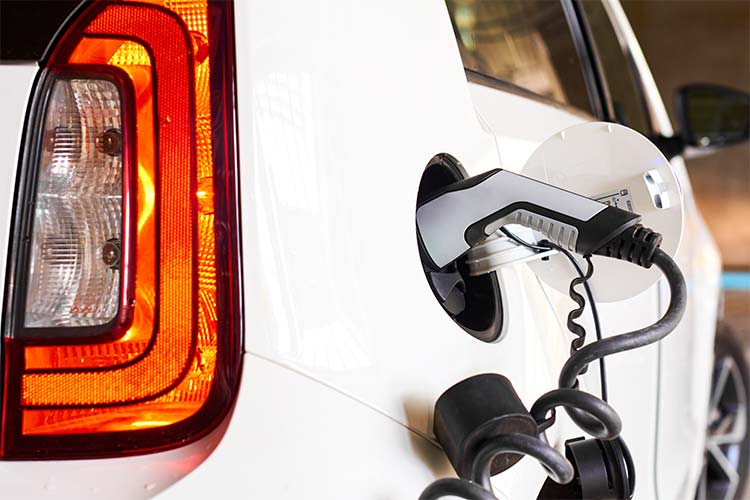
Electric vehicles remain the primary driver for lithium battery demand. As EV adoption continues to rise, battery capacity installed per vehicle is also increasing, particularly with the introduction of larger battery packs in SUVs, trucks, and high‑performance models. The global EV market has continued to set new records, and by 2025 EVs accounted for a growing share of total global vehicle sales.
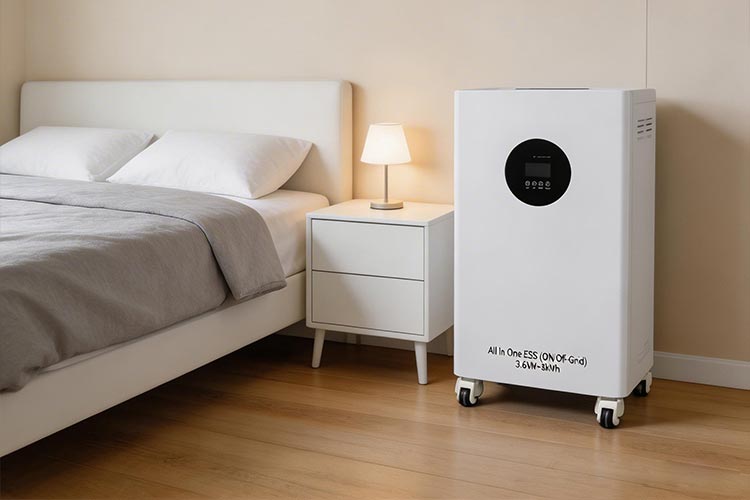
However, while EVs dominated battery consumption for years, the energy storage segment is emerging as a fastest‑growing component of demand. Battery energy storage systems (BESS) have seen rapid deployment to support grid stability, renewable integration, and commercial energy optimization. Some analysts forecast that energy storage demand could grow even faster than EV demand, particularly in markets with strong renewable penetration.
This diversification of demand makes the lithium battery market more resilient to short‑term fluctuations in any single end market and highlights the broadening utility of battery technologies across multiple applications.
Raw Material Dynamics and Supply Chain Challenges
As demand for lithium‑ion batteries grows, so too does the need for critical raw materials. Lithium carbonate, nickel, cobalt, graphite, and other battery materials have experienced price volatility in recent years, reflecting changing supply‑demand balances.
In early 2026, global lithium markets saw mixed signals. After a period of oversupply, forecasts suggest the surplus of lithium carbonate is set to narrow as demand grows more quickly than production. This shift could lead to tighter market conditions and support stronger prices for lithium and related chemicals.
However, supply chain challenges remain. Raw material bottlenecks, geopolitical uncertainties, and concerns about long‑term resource availability continue to influence market sentiment. Investments in new mining projects, refining capacity, and battery recycling infrastructure are critical areas of focus for industry stakeholders seeking to secure supply chains and reduce dependence on a small number of major producers.
Regional Market Developments
The lithium battery market exhibits strong regional variation shaped by policy, industrial capacity, and local demand dynamics. China remains the dominant hub for lithium battery production, accounting for a substantial share of global manufacturing capacity. Chinese companies have built extensive production ecosystems covering cell manufacturing, battery pack assembly, and integration across electric vehicles and storage systems.
In Europe, initiatives aimed at strengthening local battery production are gaining traction. Policy frameworks such as a “Made in Europe” strategy emphasize domestic manufacturing, reduced battery costs, and strategic autonomy. Proponents argue that increasing local production could significantly narrow the cost gap between European and Asian battery manufacturing, potentially stimulating broader investment and employment opportunities in the region.
North America also remains a key market, with investments flowing into EV battery plants, cell production facilities, and infrastructure to support domestic supply chain development. Governments in the United States and Canada have introduced incentives and funding programs designed to bolster battery manufacturing and technology leadership.
In addition, emerging lithium sources in regions such as the UK and South America are beginning to contribute to the broader supply landscape, though scaling commercial production remains a long‑term endeavor.
Technological Trends and Cost Trajectories
Technological innovation continues to be a hallmark of the lithium battery industry. Advances in cell chemistry, manufacturing processes, and system integration are driving improvements in energy density, safety, and cost efficiency. Over the past decade, average lithium battery prices have fallen substantially, helping to accelerate the adoption of electric vehicles and energy storage systems alike.
Different cathode chemistries such as lithium iron phosphate (LFP) and nickel cobalt manganese (NCM) continue to find niche roles depending on application requirements, cost targets, and performance characteristics. Meanwhile research into next‑generation technologies, including solid‑state batteries, aims to further improve energy density and safety profiles.
Manufacturers are also exploring innovations in production techniques to reduce waste, shorten manufacturing cycles, and lower overall costs. Vertical integration strategies, where companies control upstream and downstream segments of the value chain, are increasingly common as firms seek to manage profitability amidst competitive pressure.
Price Trends and Market Competition
Battery component prices and broader market competition are central to determining global adoption of lithium battery technologies. Falling average pack costs have historically helped make electric vehicles more competitive with internal combustion engine alternatives. Continued reductions in cost are expected to support further penetration across markets.
However, pricing dynamics can be influenced by raw material volatility, trade policies, and regional regulatory shifts. For example, changes in tax incentives or export rebates on battery products can alter competitive pricing strategies in key markets. Well‑designed policy frameworks that balance industry support with fair trade may help maintain market momentum while avoiding distortions.
Sustainability and Circular Economy Initiatives
Sustainability considerations are becoming increasingly integral to the lithium battery market. Battery recycling and second‑life applications are critical components of circular economy strategies aimed at reducing environmental impact and enhancing resource efficiency.
Recycling initiatives can recover valuable materials such as lithium, cobalt, and nickel, reducing reliance on primary mining and mitigating resource scarcity risks. Second‑life batteries, repurposed from EVs into stationary storage applications, offer opportunities to extend the useful life of battery systems and improve overall lifecycle cost effectiveness.
Industry players and policymakers recognize the importance of sustainable lifecycle practices, and continued investment in recycling technologies, collection infrastructure, and regulatory frameworks will be necessary to support long‑term industry viability.
Outlook for 2026 and Beyond
The global lithium battery market is entering a new phase of maturation characterized by diversified demand, evolving supply dynamics, and continued technological advancement. While electric vehicles remain the dominant application, growth in energy storage and other sectors is reshaping market trajectories. Global production capacity continues to expand, with significant investments targeting both scale and innovation.
Challenges persist, including raw material supply uncertainties, pricing pressures, and competitive dynamics across regions. Nevertheless, the overall outlook for the lithium battery market in 2026 remains optimistic, supported by strong adoption trends, supportive policies, and ongoing innovation.
As the world transitions toward a more sustainable energy future, lithium batteries will continue to play an essential role in powering mobility and stabilizing energy systems around the globe.